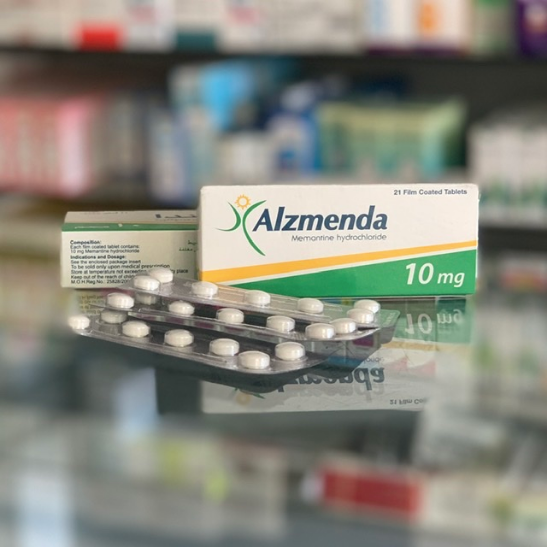
Alzmenda 10 mg 21 tablets
SKU: EGA-004830
Tradename
Alzmenda
Alzmenda
Compound:
Each tablet contains:
Memantine hydrochloride 10 mg
Auxiliary components:
Lactose monohydrate, microcrystalline cellulose, croscarmellose sodium, magnesium stearate, macrogol, titanium dioxide.
Properties
A remedy for dementia. It is a non-competitive antagonist of glutamate NMDA receptors (including in the substantia nigra), as a result of which it reduces the excessive stimulating effect of cortical glutamate neurons on the neostriatum, which develops against the background of insufficient release of dopamine. By reducing the supply of Ca2 + to neurons, it reduces the possibility of their destruction.
It has a nootropic, cerebrovasodilating, antihypoxic and psychostimulating effect.
Improves weakened memory, increases the ability to concentrate, reduces fatigue and depression symptoms, and reduces skeletal muscle spasticity caused by diseases or brain damage.
Indications
Moderate to severe dementia in Alzheimer’s disease
Method of administration and dosage:
The method of application and dosage regimen of a particular drug depends on its form of release and other factors. The optimal dosage regimen is determined by the doctor. It is necessary to strictly observe the compliance of the used dosage form of a particular drug with the indications for use and the dosage regimen.
Contraindications
Hypersensitivity to memantine; severe liver failure; pregnancy; lactation period (breastfeeding); children and adolescents under 18 years of age (the effectiveness and safety of the drug have not been established).
With caution: epilepsy, thyrotoxicosis, predisposition to seizures, concomitant use of NMDA receptor antagonists (amantadine, ketamine, dextromethorphan), factors that increase urine pH (sudden dietary changes, for example, switching to vegetarianism, abundant intake of alkaline gastric buffers), renal tubular acidosis, severe urinary tract infections caused by Proteusspp., myocardial infarction (history), heart failure, uncontrolled arterial hypertension, renal failure, mild to moderate hepatic impairment (Child-Pugh class A and B).
Precautionary measures :
Side effects
From the immune system: often — hypersensitivity reactions.
From the side of the psyche: often — drowsiness; infrequently — confusion, hallucinations (mainly observed in patients with Alzheimer’s disease at the stage of severe dementia), the frequency is unknown — mental reactions.
From the nervous system: often — dizziness, imbalance; infrequently — gait disturbance; very rarely — convulsions.
التوصيل والدفع
تأكد من اسم الدواء والتركيز وحجم العبوة. تؤكد الصيدلية التوفر والسعر النهائي ومتطلبات الوصفة قبل إرسال الطلب. لا تغير علاجك اعتماداً على معلومات الموقع وحدها.