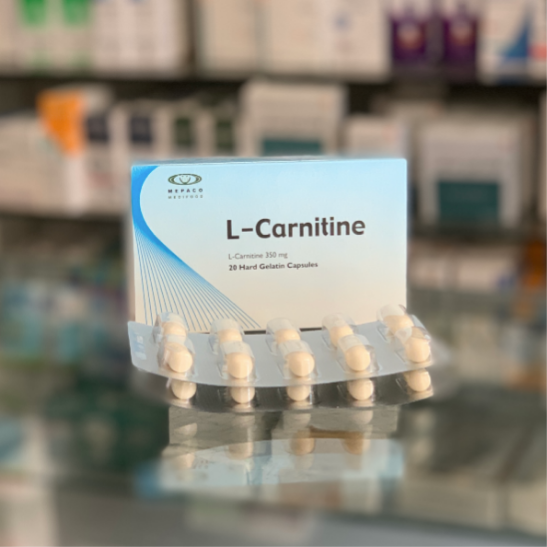
L-Carnitine 350 mg 20 capsules
SKU: EGA-004388
Tradename
L-carnitine
L-Carnitine.
Compound:
Each hard gelatin capsule contains:
L-Carnitine tartrate — 512.45 mg. (equiv. L-carnitine — 350mg)
Auxiliary components:
colloidal silicon dioxide, Povidone K 25, magnesium stearate.
Properties
L-carnitine is a natural substance related to B vitamins, necessary for the energy metabolism of mammals. Levocarnitine — a means for correcting metabolic processes; has a metabolic, anabolic, antihypoxic and antithyroid effect, activates fat metabolism, stimulates regeneration, increases appetite. It is a cofactor of metabolic processes that maintain the activity of coenzyme A (CoA). Reduces basal metabolism, slows down the breakdown of protein and carbohydrate molecules. Promotes penetration through mitochondrial membranes and cleavage of long-chain fatty acids (palmitic, etc.) with the formation of acetyl-CoA (necessary to ensure the activity of pyruvate carboxylase in the process of gluconeogenesis, the formation of ketone bodies, the synthesis of choline and its esters, oxidative phosphorylation and the formation of ATP). Mobilizes fat (the presence of 3 labile methyl groups) from fat depots. Causes slight depression of the central nervous system, increases the secretion and enzymatic activity of digestive juices (gastric and intestinal), improves digestion. Reduces excess body weight and reduces fat content in skeletal muscles. Increases the threshold of resistance to physical activity, reduces the degree of lactic acidosis and restores performance after prolonged physical exertion. At the same time, it contributes to the economical use of glycogen and an increase in its reserves in the liver and muscles. It has a neurotrophic effect, inhibits apoptosis, limits the affected area and restores the structure of the nervous tissue. Normalizes protein and fat metabolism, increased basal metabolism in thyrotoxicosis (being a partial thyroxine antagonist); restores the alkaline reserve of the blood.
Indications
treatment of underlying systemic carnitine deficiency should include, in addition to carnitine, supportive and other therapies, as dictated by the patient’s condition. L-carnitine is also indicated for the acute and chronic treatment of patients with inborn errors of metabolism resulting in secondary carnitine deficiency.
Mode of application:
L-carnitine capsules are taken orally and should be swallowed whole with a glass of water.
Contraindications
hypersensitivity to levocarnitine or other components in the composition, children’s age.
Precautionary measures:
The safety and efficacy of oral levocarnitine in patients with renal insufficiency has not been evaluated. Long-term administration of high doses of oral levocarnitine to patients with severely impaired renal function or patients with ESRD on dialysis may cause an increase in the concentration of potentially toxic metabolites.
Side effects
from the gastrointestinal tract: nausea and vomiting, abdominal cramps and diarrhea.
Nervous system: myasthenia gravis (only in patients with uremia),
Skin: rash, allergic dermatitis.
التوصيل والدفع
تأكد من اسم الدواء والتركيز وحجم العبوة. تؤكد الصيدلية التوفر والسعر النهائي ومتطلبات الوصفة قبل إرسال الطلب. لا تغير علاجك اعتماداً على معلومات الموقع وحدها.