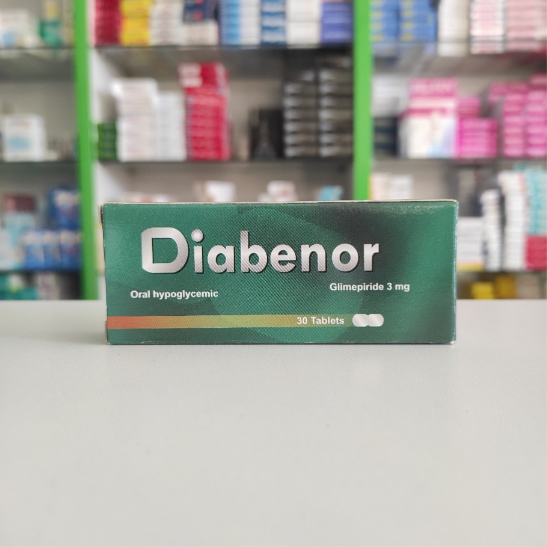
Diabenor 3 mg 30 tablets
SKU: EGA-003167
Trade name:
Diabenor 3mg.
Compound:
Properties
Diabenor is an orally active agent for lowering blood sugar levels. This medicine belongs to a group of blood sugar-lowering medicines called sulfonylureas. The drug increases the amount of insulin secreted from the pancreas. Insulin then lowers blood sugar levels.
Indications
treating a certain form of diabetes (type 2 diabetes) where diet, exercise, and weight loss fail to control blood sugar levels.
Mode of application:
by mouth, before or with the first main meal of the day (usually breakfast). It is important not to skip meals while you are taking Amaryl. The dose depends on your needs, condition and results of blood and urine sugar tests and is determined by your doctor. Do not take more tablets than your doctor has prescribed. The usual starting dose is 1 tablet of Amaryl 1 mg once daily. If necessary, according to the doctor’s prescription, it is possible to increase the dose after every 1-2 weeks of treatment. The maximum recommended dose is 6 mg per day. If you forget a pill, you do not need to take a double dose.
Contraindications
type 1 diabetes; diabetic ketoacidosis, diabetic precoma and coma; severe violations of the liver and kidneys, incl. patients on hemodialysis (lack of clinical experience); pregnancy, lactation; childhood; rare hereditary diseases such as galactose intolerance, lactase deficiency or glucose-galactose malabsorption; hypersensitivity to the components of the drug or other sulfonylurea derivatives.
Precautionary measures:
In specific clinical stress conditions such as trauma, surgery, and febrile infections, metabolic control may be impaired in patients with diabetes mellitus, so a temporary switch to insulin therapy may be required to maintain adequate metabolic control. In the first weeks of treatment, there may be an increased risk of hypoglycemia, which requires particularly careful monitoring of blood glucose levels. In patients with glucose-6-phosphate dehydrogenase deficiency, special care should be taken when prescribing glimepiride, it is preferable to use hypoglycemic agents that are not sulfonylurea derivatives. Hypoglycemia can be quickly corrected by the immediate intake of fast-absorbing carbohydrates (glucose or sucrose). As with other sulfonylurea derivatives, despite initial successful management of hypoglycemia, hypoglycemia may recur. Therefore, patients should remain under constant supervision. In severe hypoglycemia, additional immediate treatment and medical supervision is required, and in some cases, hospitalization of the patient. During treatment with glimepiride, regular monitoring of liver function and peripheral blood picture (especially the number of leukocytes and platelets) is required. In case of severe hypoglycemia, serious changes in the blood picture, severe allergic reactions, liver failure, the patient should immediately inform the attending physician, stop taking the drug and not resume taking it without the advice of a doctor.
Side effects
symptoms of hypoglycemia — headache, hunger, nausea, vomiting, fatigue, drowsiness, sleep disturbances, anxiety, aggressiveness, impaired concentration, confusion, speech disorders, visual disturbances, tremors, sensory disturbances, loss of self-control, cerebral cramps, drowsiness or loss of consciousness up to coma, shallow breathing, bradycardia. The clinical picture of severe hypoglycemia may resemble a stroke. Symptoms of hypoglycemia almost always disappear after it is eliminated. A temporary change in the swelling of the lenses, depending on the concentration of glucose in the blood, and due to this, a change in the refractive index of the lenses. Nausea, vomiting, feeling of heaviness or fullness in the epigastrium, abdominal pain, diarrhea; hepatitis, cholestasis and jaundice, which can progress to life-threatening liver failure. hemolytic anemia. Itching, urticaria, skin rash. If symptoms of hives appear, you should immediately consult a doctor.
Storage method:
Store at a temperature not exceeding 25C in the original packaging out of the reach of children.
التوصيل والدفع
تأكد من اسم الدواء والتركيز وحجم العبوة. تؤكد الصيدلية التوفر والسعر النهائي ومتطلبات الوصفة قبل إرسال الطلب. لا تغير علاجك اعتماداً على معلومات الموقع وحدها.